
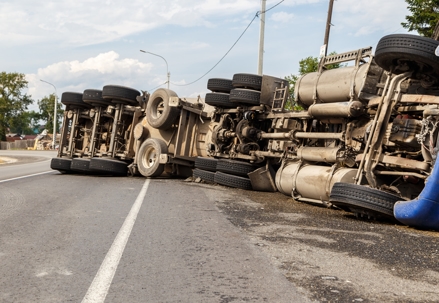
Catastrophic truck crashes often result in severe injuries or loss of life, leaving victims and families facing immense challenges. In Albuquerque and throughout New Mexico, these cases are significantly more complex than standard vehicle accidents. One of the most important factors in determining accountability is evidence—what exists, how quickly it is secured, and whether it is properly preserved.
Understanding what evidence matters and why early action is critical can make a meaningful difference in the outcome of a catastrophic truck accident case.
Why Evidence Matters in Truck Crash Cases
Truck accident claims frequently involve multiple responsible parties, including the truck driver, trucking company, vehicle owner, maintenance providers, and insurers. Each party may have its own version of events and strong financial incentives to limit liability.
Critical evidence helps establish how the crash occurred, whether safety regulations were violated, and who should be held accountable. Without timely preservation, key information can be lost, altered, or destroyed, making it more difficult to prove negligence.
Key Evidence After a Catastrophic Truck Crash
Several types of evidence are especially important in serious truck accident cases:
Electronic data is often central. Most commercial trucks are equipped with electronic control modules or event data recorders that capture information such as speed, braking, engine activity, and hours of operation. This data can reveal whether the truck was speeding, improperly operated, or driven beyond legally allowed hours.
Driver records are also critical. Logbooks, employment files, training records, and drug and alcohol testing results may indicate fatigue, lack of qualification, or regulatory violations.
Vehicle maintenance and inspection records can show whether the truck was properly serviced or if mechanical issues, such as brake or tire failures, contributed to the crash.
Physical evidence from the scene—including vehicle damage, skid marks, roadway conditions, and debris patterns—helps accident reconstruction experts determine how the collision occurred.
Finally, witness statements and surveillance or traffic camera footage can provide additional perspective, particularly when fault is disputed.
How Evidence Is Preserved
One of the most significant challenges in truck accident cases is that some evidence is only retained for a limited time. For example, electronic data may be overwritten, and trucking companies are not required to keep certain records indefinitely.
Preserving evidence often begins with sending formal preservation or spoliation letters to trucking companies and other involved parties. These notices require that relevant records, data, and physical evidence be maintained and not altered or destroyed.
In some cases, legal action may be necessary to obtain evidence before it is lost. Experienced attorneys work quickly to identify responsible parties, request records, and coordinate with experts to document physical evidence and analyze data.
The Importance of Early Legal Involvement
Because evidence can disappear quickly, speaking with a truck accident attorney as soon as possible after a catastrophic crash is essential. Early involvement allows for prompt investigation, coordination with accident reconstruction and trucking experts, and protection against evidence spoliation.
This is particularly important in cases involving catastrophic injury or death, where the long-term financial and personal consequences are significant and the legal stakes are high.
New Mexico Catastrophic Injury Attorneys
If you or a loved one was catastrophically injured in a truck crash in Albuquerque or elsewhere in New Mexico, the attorneys at Buckingham & Vega Law Firm can help protect your rights. Our firm focuses on serious truck accident cases and understands the importance of early evidence preservation and thorough investigation.
We invite you to contact our office for a confidential consultation at (505) 388-0066 to discuss your situation and learn how we may be able to assist.